The wine merchant profession
Being a wine merchant means…
Create: building on this field-tested knowledge, we are able to create brands and products that meet these expectations and, in doing so, build consumer loyalty. This idea of loyalty, like that of the House itself, is a long-term one: we are not here for quick wins, but to establish lasting positions in a market.
Listen: our presence in the markets, in close contact with our importers, distributors and consumers, gives us a clear view of expectations and of how markets and demand are evolving. This knowledge covers the product itself as well as price, packaging, and more.
Produce: on this basis, we source upstream the raw material and products needed to craft the wine, while applying the technical expertise required to guarantee the consistent quality needed to build a brand destined for international distribution.
Sell: the merchant has genuine sales expertise, built up through an often long-standing presence in the markets. This expertise rests on the lasting relationships built with our importers and distributors in those markets.
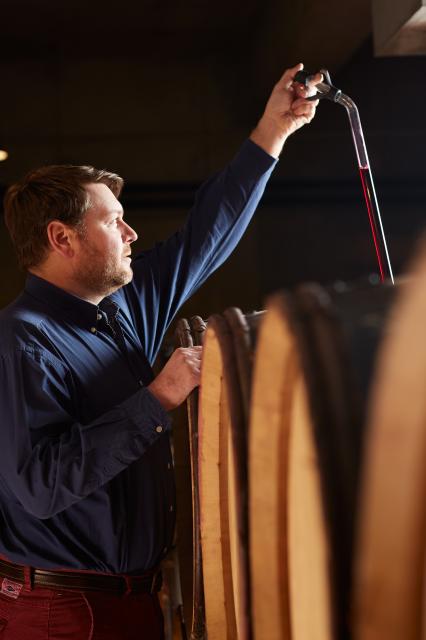
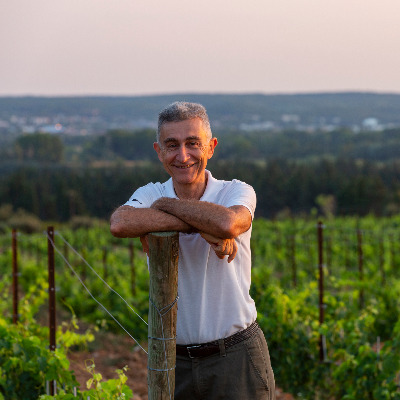
…It’s also several trades under one name
Different yet complementary trades, all working towards the same goal: promoting and selling Rhone Valley wines to satisfy an increasingly knowledgeable and demanding clientele.
The winemaking merchant:
The furthest upstream, this merchant buys grapes from growers. They vinify these grapes and then sell the wines they have produced.
They may also vinify on behalf of producers:
– either through a service arrangement
– or by renting out their winemaking facilities
The bulk wine merchant
This merchant buys, stores, blends and resells wine in bulk. Given their role in the industry, they maintain very close ties, particularly with cooperative wineries, from which they can ship bulk wines they have selected directly to their clients (notably large distributors located both in France and across the European Union).
The maturing and bottling merchant:
Close to both the upstream and downstream ends of the chain.
They rigorously select wines from partner producers (private estates and cooperatives) or other merchants, then mature these wines in their own cellars (ageing, blending), handle bottling (generally at their own facilities), and sell them.
Their upstream involvement can extend right down to the vineyard plot, supporting partner producers through their own technicians (agronomists, oenologists). They are generally focused on export markets, where they sell their wines under their own brands.
The producer merchant:
This merchant is at once a producer (of a greater or lesser share of their own supply), winemaker, maturer and bottler.
Almost all Rhone Valley merchants are producers, and this trend continues to grow.
This is explained in particular by a desire to control supply, in both quantity and quality.