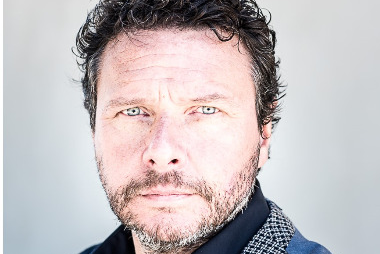
Samuel Montgermont, what is your analysis of the current situation of Côtes du Rhône?
First, let us salute the performance of whites in this campaign! In the regional Côtes du Rhône basin, this segment has woken up, and it is emerging. The quality of the whites is a strength for the future.
On the other hand, the rosé offer is not aligned with the market. This segment in Côtes du Rhône must work on technique. We missed the “Provence-style” rosé train, so let us innovate. Rosé has taken off so much that today everyone drinks it. Some very fine houses are positioning themselves on age-worthy rosés.
Admittedly it will not be a volume market at first, but let us take the leadership of this category to communicate about our rosés and gain legitimacy in this offer, in order to create a Rhône rosé reflex, which is not the case today.
It is urgent, because the red basin is not doing well (structural decline in consumption). Other ideas such as “Ice reds” are worth exploring; in terms of image too, Rhône houses are innovating, but a whole basin must react… And why not sparkling?
The Crus and the Côtes du Rhône Villages with geographical names are doing better, even very well. In twenty years, I have never seen such a price gap between the Crus and the regional Côtes du Rhône!
How do you see the new campaign unfolding?
“The new campaign starts with high red stocks that will weigh on the coming campaign.
However, I think there will be transactions at a fair price at the start of the campaign, in particular for regular partnerships. The risk of seeing prices fall will come from a lack of buyers in mid-campaign.
We will not wait for prices to collapse before buying; we want to keep partners “in good health”.
In this situation, let us take the opportunity to build an inter-professional reserve by blocking part of the production. This should be seen as a crop insurance for the future, guarding against repeated climate hazards.”
What is your vision of the market in the longer term?
“It is not so much a question of quality as of consumers. In the minds of young consumers, an entry-level red Côtes du Rhône at €3 including tax in supermarkets cannot be good… even if it is good! That is the tragedy. Today, sociological studies show that while price remains the number one purchasing factor, it weighs much less in the decision. We have to work on our attractiveness. How? Certainly not by pulling up vines or distilling production, which would be an admission of failure!
We wish to work with our producer friends on a major project of MEDA (Mise en dormance active du vignoble rhodanien – active dormancy of the Rhône vineyard). We must rethink the management of our production potential and adapt it to our projects (export, diversification, contracts…). Between sick and tired vineyards, an impoverished sector, crises of vocation and a high average age among our winegrowers, the cards must be reshuffled. At the heart of this debate, we will have to address environmental issues: the ability to produce up to the yield set by the specifications, because for an equal cultivated area, a higher yield is more ecological (lower carbon footprint and fossil-fuel use), the issue of water, but also the issue of quality in the sense of vineyard quality (introducing cleansing and enriching crops through fallow periods), product profiles in line with the market, the notion of income per hectare (protection against climate hazards)…
There is no ONE solution but we must produce A BOUQUET of solutions, which will allow us to ask ourselves the right questions and probably to answer them better.”
Interview by Cécile Poulain for Le Vigneron des Côtes du Rhône – October 2022